
If you have a past experience of withdrawal symptoms, you are likely to have them return if you start and stop heavy drinking again. There are no specific tests that can be used to diagnose alcohol withdrawal. The most dangerous form of alcohol withdrawal occurs in about one out of every 20 people who have withdrawal symptoms.
What are the risk factors for alcohol withdrawal?
- While it may be tempting to attempt alcohol detox at home, it’s important to understand the serious risks involved.
- This is your central nervous system, which has been suppressed by alcohol for so long, starting to wake up and overreact.
- The side effects you feel aren’t just random aches and pains; they’re the predictable, direct result of this massive recalibration effort.
- The most intense, or acute, phase of physical withdrawal symptoms usually lasts for about 5 to 7 days.
- Alcohol withdrawal (alcohol withdrawal syndrome) is a range of symptoms that can happen if you stop or significantly reduce alcohol intake after long-term use.
Long-term alcohol use can affect bone density, leading to thinner bones and increasing your risk of fractures if you fall. The connection between alcohol consumption and your digestive system might not seem immediately clear. The side effects often only appear after the damage has happened. Over time, drinking can also damage your frontal lobe, the part of the brain responsible for executive functions, like abstract reasoning, decision making, social behavior, and performance. The pancreas helps regulate how your body uses insulin and responds to glucose.
How is zolpidem supplied (dosage forms)?
As a result, they eventually need to drink more to notice the same effects they once did. People who drink heavily over a long period of time are also more likely to develop pneumonia or tuberculosis than the general population. The World Health Organization (WHO) links about 8.1 percent of all tuberculosis cases worldwide to alcohol consumption. That’s because drinking during pregnancy doesn’t just affect your health. Alcohol use can begin to take a toll on anyone’s physical and mental well-being over time.
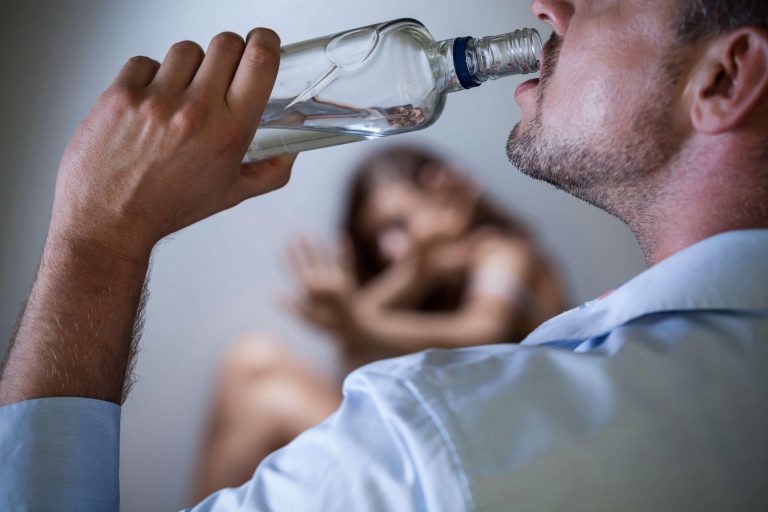
What Are the Effects of Alcohol on the Body?
Medical supervision becomes essential during this period to manage complications and guarantee safe detoxification. Robert is our health care professional reviewer of this website. He has a nursing and business/technology degrees from The Johns Hopkins University. Alcohol withdrawal can be difficult and, in some cases, life threatening. Depending on how often you drink and how much, you may need support from a healthcare professional if you want to stop drinking.
What should I do if I forget a dose?
Inpatient alcohol detox, also known as medical detox, involves entering a detox facility for three to five days on average. Severe alcohol withdrawal, a condition known as delirium tremens, can develop in some people within the first 72 hours of alcohol withdrawal. Alcohol dependence, also known as ‘alcoholism’ or alcohol addiction, is serious and can lead to a range of health problems. People who are dependent on alcohol may experience a strong, often uncontrollable, desire to drink and feel they’re unable to function without alcohol. Withdrawal symptoms are part of a condition called ‘alcohol withdrawal syndrome’, which is a reaction caused when someone who has become dependent on alcohol is deprived of it.
- If you have alcohol use disorder and want help, a healthcare provider can guide you to resources and rehabilitation programs to help you quit.
- You may notice intense feelings of uneasiness, racing thoughts, and physical manifestations of anxiety such as rapid heartbeat and sweating.
- The brain’s disrupted neurotransmitter activity can lead to anxiety, irritability, depression, and sudden mood swings.
- The effects of ice can last up to 12 hours2 but it might be hard to sleep for a few days after using the drug.
Diagnosing alcohol withdrawal
However, when a person stops consuming alcohol, the brain continues producing stimulating chemicals, resulting in alcohol withdrawal syndrome. Stage three begins between 48 and 72 hours after alcohol cessation. This is the most severe withdrawal stage and often causes people to stop detoxing. For example, a person with mild to moderate alcohol use disorder may only experience stage one symptoms. In contrast, a long-term, heavy drinker is more likely to experience symptoms of all three stages. Proper nutrition and hydration become critical cornerstones of successful alcohol detoxification, as your body works alcohol detox side effects to restore balance and repair damage from chronic alcohol use.
Types Of Alcohol Detox Programs
- Along with its needed effects, a medicine may cause some unwanted effects.
- Do not start taking trazodone during the 2 weeks after you stop a MAO inhibitor and wait 2 weeks after stopping trazodone before you start taking a MAO inhibitor.
- Some individuals experience protracted withdrawal, or PAWS, where psychological symptoms like anxiety and sleep disturbances can persist for weeks or months after detox.
- The need for this level of care is clear when you look at the numbers.
- If you feel that the medicine is not working as well, do not use more than your prescribed dose.
It typically occurs 48 to 72 hours after the last drink and is characterized by severe confusion, extreme agitation, high fever, hallucinations, and seizures. DTs can be fatal if not treated immediately in Alcohol Use Disorder a medical facility. To keep people safe and as comfortable as possible, medical teams use specific medications to ease the worst symptoms. The gold standard for preventing severe complications are benzodiazepines. They work by calming the central nervous system, which is in a state of high alert during withdrawal, and they are extremely effective at preventing seizures. Ultimately, choosing a medical facility is about more than just getting through the physical symptoms.
The early signs of alcohol withdrawal include:
Although certain medicines should not be used together at all, in other cases two different medicines may be used together even if an interaction might occur. In these cases, your doctor may want to change the dose, or other precautions may be necessary. When you are taking this medicine, it is especially important that your healthcare professional know if you are taking any of the medicines listed below. The following interactions have been selected on the basis of their potential significance and are not necessarily all-inclusive. It works by blocking the effects of opioids, especially the euphoric and rewarding feeling that makes you want to use them. It also may block the euphoric and rewarding feeling that may make you want to use alcohol.
Professional support is truly essential to manage these effects and prevent life-threatening complications down the road. Undergoing detox ensures you receive the support, care, and medical attention you need to overcome your addiction. Detox is usually a part of an alcohol addiction treatment program. You’ll typically pay between $1,000 to $5,000 for professional alcohol detox, though costs vary based on your treatment https://ecosoberhouse.com/ type. Outpatient detox costs range from $1,000 to $1,500, offering medical monitoring while you live at home.

Leave A Comment